
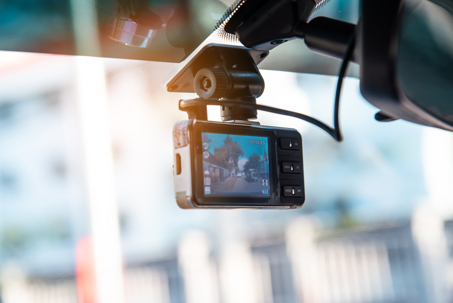
Car accidents often happen in seconds, but determining exactly what occurred can take much longer. When drivers give conflicting accounts, insurance companies and attorneys must rely on available evidence to piece together the facts. As dashboard cameras become more affordable and widely used, many drivers are discovering that a simple recording can provide valuable insight into how a collision unfolded.
Why Dashcam Evidence Can Make a Difference
Unlike human memory, a dashcam records events as they happen. While no piece of evidence tells the entire story, video footage can provide an objective perspective that supports other forms of evidence during a claim.
Some of the ways dashcam recordings may be helpful include:
- Showing the sequence of events. Video may capture traffic signals, lane changes, vehicle speeds, and driver behavior leading up to a collision.
- Documenting road conditions. Rain, poor visibility, debris, or damaged roadways may all appear in the recording.
- Capturing unexpected events. A dashcam may record another driver running a red light, making an unsafe turn, or engaging in distracted driving.
- Providing context. Footage can help explain how the accident occurred when witness accounts differ.
When Is Dashcam Footage Admissible in Florida?
Whether dashcam footage can be used in a legal case depends on several factors. Simply having a recording does not automatically mean it will be admitted as evidence.
Courts and insurance companies often consider:
- Authenticity. The footage should accurately represent what occurred without alteration.
- Relevance. The recording must relate directly to the accident or disputed issues.
- Quality. Clear video may carry more weight than blurry or obstructed footage.
- Proper preservation. Maintaining the original file can help avoid questions about its reliability.
An experienced personal injury attorney can evaluate whether dashcam evidence may be useful in your particular case.
How Dashcam Video Can Support & Challenge Witness Statements
Witness testimony remains an important part of many car accident claims. However, people may remember events differently, especially after a stressful collision.
Dashcam footage can help by:
- Confirming observations. The video may support what an independent witness reported seeing.
- Clarifying conflicting accounts. Recordings may resolve disagreements about traffic signals, vehicle positions, or the timing of events.
- Identifying additional details. A camera may capture vehicles, pedestrians, or road hazards that witnesses overlooked.
- Providing greater confidence. When multiple sources of evidence align, insurance companies may have a clearer understanding of what happened.
Video evidence can also contradict witness statements. If someone's recollection differs from what the footage shows, investigators will likely examine all available evidence before reaching conclusions about liability.
Understanding the Limitations of Dashcam Evidence
Although dashcams can be valuable, they are not perfect.
Some common limitations include:
- Limited viewing angles. A front-facing camera may not capture impacts from the side or rear.
- Obstructed visibility. Weather, glare, darkness, or large vehicles may block important details.
- No audio or incomplete recordings. Some cameras record only video or overwrite older files if they are not saved promptly.
- Missing context. A recording may not show everything that happened before or after the collision.
Because of these limitations, dashcam footage is often considered alongside police reports, medical records, photographs, and other evidence.
Preserving Digital Evidence After a Florida Car Accident
If you have dashcam footage from an accident, preserving it properly can be extremely important.
Consider taking these steps:
- Save the original file. Avoid editing or altering the recording.
- Create backup copies. Store copies on another device or secure cloud storage.
- Record important details. Note the date, time, and location of the accident.
- Share the footage carefully. Consult with your attorney before posting videos publicly or providing them to others.
Taking these precautions may help protect valuable evidence throughout your claim.
Other Electronic Evidence That May Strengthen Your Claim
Dashcam footage is only one type of digital evidence that may help establish what happened during a collision.
Other evidence may include:
- Vehicle event data recorders. Some vehicles store information about speed, braking, and steering immediately before a crash.
- Traffic camera recordings. Nearby intersections or businesses may have surveillance footage.
- Cell phone records. In some cases, records may help determine whether distracted driving played a role.
- GPS data. Location information may support timelines and travel routes.
- Photos & videos from the scene. Images captured immediately after the accident may document vehicle damage, roadway conditions, and visible injuries.
Combining multiple forms of electronic evidence can create a more complete picture of how an accident occurred.
Protect Your Rights & Seek Experienced Legal Guidance
Every car accident is different, and the available evidence can significantly influence the outcome of a claim. Dashcam footage may provide valuable support, but it is often just one piece of a much larger investigation. Working with an experienced attorney can help ensure important evidence is preserved and evaluated appropriately.
If you were injured in a car accident, Law Offices Cytryn & Velazquez, P.A. is here to help. Our personal injury team can review your case, assess available evidence, and explore your legal options in Coral Springs.
Call (954) 833-1440 or contact us online to schedule a consultation.